
Wondering how often your Longmont home needs a plumbing checkup? Most houses benefit from an annual visit, and many see fewer surprises after making it routine. A yearly preventive plumbing inspection helps find small problems before they turn into leaks, backups, or water damage. It is a simple habit that protects your time, your budget, and your peace of mind.
Below, you will find a clear schedule for different home types, what a professional looks at during an inspection, and local timing tips for our Front Range climate. You will also learn when to bump your inspection to twice a year and how a plan can help you prevent leaks and backups across every season in Longmont, CO.
Why Preventive Plumbing Inspections Matter in Longmont
Longmont’s mix of older neighborhoods like Old Town and newer communities around Prospect and Clover Basin means plumbing systems vary a lot. Some homes still have aging lines or original fixtures, while newer builds rely on modern materials that still need regular checks. Winter freezes, late spring storms, and heavy summer downpours can stress supply lines, drains, and sewer laterals.
An annual inspection lowers your risk of hidden leaks, slow drains, water heater trouble, and high water pressure that wears out pipes. Catching issues early is the easiest way to avoid emergency visits and water damage.
How Often To Schedule a Plumbing Inspection in Longmont
Newer Homes and Recent Remodels
If your home was built or fully remodeled in the last 10 years, plan on one inspection per year. Materials like PEX and copper last a long time, but valves, traps, and water heaters still age. Annual testing keeps warranties in good standing and gives you a baseline of system health.
Homes 15–40 Years Old
Older fixtures and original water heaters are common in this range. Schedule an annual inspection at minimum. Ask the plumber to pay close attention to shut-off valves, pressure regulators, and any galvanized or mixed-metal connections that can corrode faster.
Historic or Pre-1980 Homes
For houses near Old Town, Fox Hill, and other established areas, plan for an annual inspection plus a quick mid-year check if you have large trees near the sewer line or a finished basement. Roots, shifting soils, and older piping raise the risk profile. Twice-yearly visits are a smart way to protect lower levels and stored belongings.
Rental, ADU, or High-Use Homes
Short-term rentals, multigenerational homes, or busy households should consider two inspections a year. More people means more wear on faucets, drains, disposals, and water heaters. Proactive checks keep everything moving and help you avoid guest complaints or downtime.
What a Professional Plumbing Inspection Includes
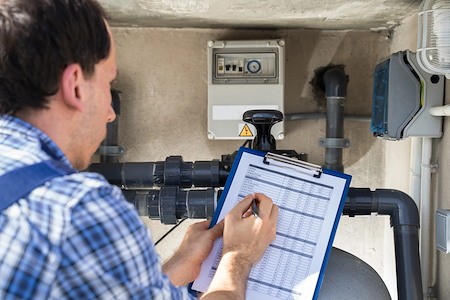
A thorough inspection from a licensed pro is visual and diagnostic. It focuses on safety, performance, and early warning signs across the whole system. Typical items include:
- Testing water pressure and the pressure-reducing valve to limit pipe stress
- Looking for hidden moisture around toilets, sinks, tubs, and supply lines
- Checking shut-off valves, angle stops, and hoses for age and corrosion
- Inspecting the water heater’s temperature and relief valve, venting, and connections
- Running fixtures to confirm flow, hot water recovery, and consistent temperature
- Assessing drains and vents for slow flow, sewer gas odors, or gurgling
- Reviewing hose bibbs, irrigation tie-ins, and backflow components as applicable
- Recommending a sewer camera screening if roots or recurring backups are suspected
Your plumber will also note code-related safety items to improve, without pushing unnecessary work. The goal is to give you a clean, plain-language report with prioritized next steps, so you can plan maintenance on your terms.
Seasonal Timing Tips for Longmont Weather
Winter cold can expose weak points in exterior bibbs, crawlspace lines, and older insulation. Late spring irrigation startups and street work can cause temporary pressure swings that strain supply lines and appliances. Summer hail and heavy rains can add ground movement around sewer laterals and sump systems.
For most homeowners, the best time for an annual inspection is late winter to early spring. That timing helps you get ahead of sprinkler startups and lets you fix small issues before busy summer schedules. If your home sits near mature cottonwoods or willows, ask your plumber whether a simple camera screening every year or two is smart insurance.
When To Bump Up to Twice-Yearly Visits
Some homes benefit from a mid-year follow-up, especially if you have a finished basement, frequent guests, or a history of slow drains. Consider a second check in late summer or early fall, after heavy irrigation use and before holiday hosting. This keeps kitchens, disposals, and water heaters in top shape during your busiest season.
Clear Signs You Should Not Wait
- Intermittent sewer odors, gurgling drains, or frequent clogs
- Hot water that runs out faster than normal or rusty-colored water
- Hissing or banging sounds in pipes, or visible corrosion on shut-off valves
- Unexplained moisture, warped baseboards, or higher water bills
Never ignore water stains, sewer smells, or the sound of running water when fixtures are off. These are early red flags that deserve prompt attention before they turn into damage.
Prevent Leaks and Backups With a Local Plan
Homeowners who stick to an annual plumbing inspection in Longmont enjoy steadier water pressure, quieter pipes, and fewer surprises. A simple Longmont plumbing maintenance plan puts reminders on a calendar and prioritizes your home for urgent needs. That way, if something does go wrong, you already have a trusted team who knows your system and history.
For a quick refresher on what a plumbing inspection in Longmont should cover, browse our site resources and service details. You can also skim helpful seasonal checklists and homeowner insights on our plumber tips page to stay ahead of common issues.
How Inspections Reduce Risk in Specific Longmont Homes
Homes Near Mature Trees or Older Sewer Laterals
Roots love water and nutrients. Older clay or thin-walled pipes are easier targets, which is why homes near the St. Vrain greenways and treed lots may see more root pressure. A pro can recommend the right interval for occasional camera screenings if recurring clogs are a concern.
Finished Basements and Garden-Level Spaces
Finished lower levels are cozy and practical, but they concentrate risk. Floor drains, laundry hookups, and bath groups sit close to the main drain line. An annual inspection pinpoints slowdowns before the holidays or spring melt, when backups are more likely.
High Water Pressure Zones
Street work, irrigation season, and elevation changes can cause pressure spikes. Your inspection should always include a pressure test and a review of the pressure-reducing valve. Replace failing pressure regulators promptly to protect fixtures and appliances.
What To Expect After Your Appointment
Your plumber should provide a simple report that ranks any findings: urgent safety items, recommended maintenance, and watch-list notes to revisit next year. Expect practical, low-effort suggestions that extend the life of valves, traps, and water heaters. If a sewer camera screening or specialty test is wise, you will know exactly why.
If the tech discovers signs of hidden moisture or a pressure imbalance, they may suggest targeted follow-up such as plumbing inspection and leak detection. Addressing small issues now protects drywall, flooring, and stored items in basements and garages.
Choose a Licensed Plumbing Contractor You Trust
Experienced, local pros understand how Longmont soils, weather, and building styles affect plumbing. Look for clear communication, respectful protection of your home, and reports you can understand. For a full view of related services, explore our plumbing contractor services to see how inspections connect with repairs and upgrades across your system.
If you smell gas or raw sewer odors, leave the area and call for help immediately. Safety comes first. Routine inspections reduce the chance of urgent situations and keep your system reliable year-round.
Putting It All Together: A Simple Schedule That Works
Most Longmont homes do best with one inspection each year, timed for late winter or early spring. Older properties, high-use homes, and houses with finished basements or large trees nearby should add a quick mid-year visit. Keep reports in a home binder, so future inspections can spot trends and save time.
If you want steady reminders and priority booking, ask about a plumber Longmont maintenance plan that fits your household. It can be as straightforward as pre-scheduling your annual visit, saving notes, and setting up gentle reminders so small tasks never slip. That is how you prevent leaks and backups without overthinking it.